Comparing THCA Hemp Flower and CBD
The world of hemp and cannabis is complex and ever-evolving. With the rise of various cannabinoids, understanding their differences is crucial. One such cannabinoid is THCA, found in the raw hemp flower. It’s gaining attention for its unique properties and potential benefits.
On the other hand, CBD, another cannabinoid, has already established its place in the wellness industry. It’s known for its therapeutic effects and wide range of applications.
In this article, we’ll delve into the world of THCA hemp flower and compare it with CBD. We’ll explore their characteristics, effects, and benefits. We’ll also guide you on how to find high-quality THCA hemp flower. By the end, you’ll have a clearer understanding of these two fascinating compounds.
Understanding THCA Hemp Flower
THCA, or tetrahydrocannabinolic acid, is a precursor to THC, found in raw cannabis plants. Unlike THC, THCA is non-psychoactive, meaning it doesn’t produce a “high.” This makes it appealing for those seeking therapeutic benefits without the intoxicating effects.
The interesting part about THCA is its transformation through a process called decarboxylation. When heated, THCA loses a carboxyl group, converting into THC, the psychoactive compound. This conversion is why raw cannabis doesn’t make you high until heated or aged.
There are many strains with high THCA content, each offering unique benefits. These high THCA hemp flower strains are cultivated carefully to maximize their therapeutic potential while keeping THC within legal limits.
Some characteristics of THCA hemp flowers include:
- Non-psychoactive in its raw form
- Converts to THC when heated
- Contains potential therapeutic properties
- Oregon is a leading state in cultivation
Understanding these elements is crucial for anyone interested in exploring the benefits of THCA hemp flower. It opens up a world of possibilities for therapeutic and lifestyle applications, offering an alternative to traditional THC products without the mind-altering effects.
CBD: An Overview
CBD, or cannabidiol, is another popular cannabinoid found in hemp and cannabis plants. Unlike THC, CBD is non-intoxicating, which means it doesn’t produce a high. This makes it a preferred choice for those seeking calming or health benefits without altering their mental state.
The legal status of CBD is relatively clear in comparison to THC. With the passing of the 2018 Farm Bill, hemp-derived CBD is legal across the United States, provided it contains less than 0.3% THC. However, state laws can vary, so it’s essential to check local regulations.
CBD is widely celebrated for its potential therapeutic benefits. Many people use CBD to manage anxiety, depression, and pain. It’s also explored for its potential in reducing inflammation and improving sleep quality, which makes it versatile for various conditions.
THCA vs. CBD: Effects and Benefits
The entourage effect is a fascinating concept in cannabis science. It refers to how various cannabinoids and terpenes work together to enhance each other’s effects. THCA and CBD may each offer unique benefits individually, but their combined use could amplify their therapeutic potentials.
Both THCA and CBD have been studied for their health benefits. THCA is often explored for its anti-inflammatory properties and potential to manage nausea and pain. Meanwhile, CBD is well-known for its calming effects and potential uses in alleviating anxiety and insomnia.
Understanding side effects is crucial when considering THCA or CBD. Most people tolerate CBD well, with rare reports of mild issues like dry mouth or drowsiness. THCA, especially in raw form, is generally considered non-psychoactive, posing few safety concerns. Still, it’s wise to consult a health professional before trying new hemp products.
The distinction between therapeutic and recreational use is an ongoing discussion. THCA, in its raw form, is primarily viewed for its therapeutic potential without psychoactive effects. Conversely, THC, when THCA is heated, is often associated with recreational use due to its intoxicating nature.
Choosing between THCA and CBD depends largely on individual preferences and needs. Some consumers prefer CBD for regular wellness routines, while others might explore THCA flower for its distinct therapeutic potential. Whatever the choice, understanding each cannabinoid’s unique effects can guide more informed decisions.
Extraction and Lab Testing
Extracting THCA from hemp involves intricate processes. THCA must be carefully separated to preserve its non-psychoactive state. Common methods include cold-press or CO2 extraction, each presenting unique challenges. Ensuring minimal heat exposure is key, as heat can convert THCA into THC, changing its properties.
Lab testing plays a pivotal role in the hemp industry. It ensures that products meet purity and potency standards, protecting consumer safety. Testing verifies cannabinoid content and checks for harmful substances like pesticides or heavy metals. Reliable lab results offer consumers confidence in product quality and efficacy.
CBD extraction, in contrast, often uses more established methods. Techniques like ethanol and CO2 extraction efficiently isolate CBD from plant material. Each method has pros and cons, but CO2 extraction remains popular for its ability to produce high-quality CBD concentrates.
Quality assurance begins with accurate lab results. These tests validate product claims and ensure regulatory compliance. Trustworthy brands prioritize transparency in their lab findings, providing consumers with access to detailed reports. As the industry evolves, consistent testing and quality checks are essential for building consumer trust and ensuring safety.
Legal Status and Compliance
The legal status of THCA hemp flower in the U.S. can be complex. THCA is non-psychoactive in its raw form, but when heated, it converts to THC, raising legal questions. Many states allow hemp with low THC levels, but specific regulations can vary widely, influencing availability and distribution.
The 2018 Farm Bill dramatically impacted CBD’s legal landscape, offering clarity and expanding its market. This bill legalized hemp with less than 0.3% THC on a federal level. As a result, CBD gained popularity nationwide. However, individual states can impose their own restrictions, affecting where and how CBD products are sold.
Compliance with state and federal laws is crucial for hemp businesses. Understanding and adhering to these regulations helps prevent legal issues. Businesses must navigate varying rules, ensuring their products meet both safety and labeling standards. This diligence fosters trust and credibility among consumers, ultimately benefiting the entire hemp industry.
Finding and Choosing the Right THCA Hemp Flower
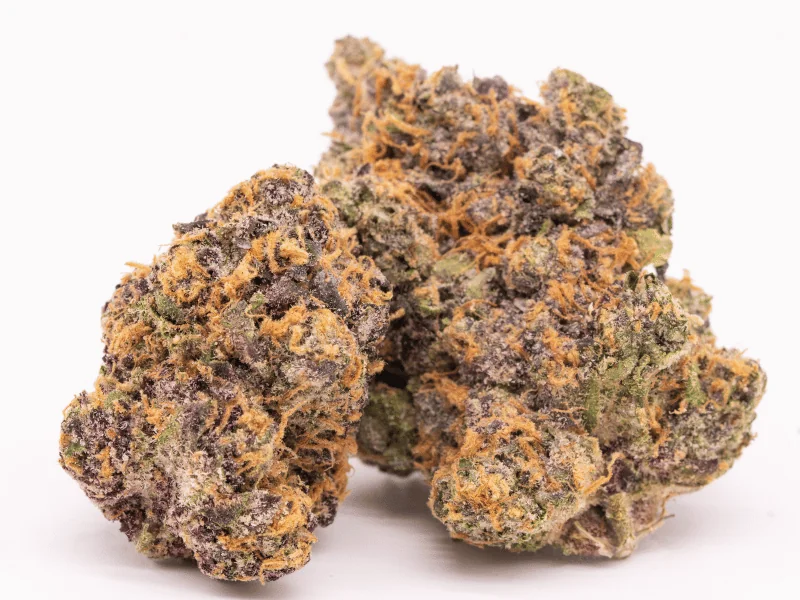
Identifying high-quality THCA hemp flower is crucial for maximizing its benefits. Look for flower that is vibrant, aromatic, and free from mold or discoloration. Lab results should confirm the cannabinoid profile and ensure the absence of harmful contaminants.
When searching for THCA hemp flower, consider both local and online options. Local dispensaries can offer guidance and personal interaction, while online retailers often provide a broader selection. Both sources should supply third-party lab reports to validate their products’ claims.
Terpenes and genetics play significant roles in the quality and effects of THCA hemp flower. Terpenes contribute to aroma and can enhance therapeutic outcomes through the entourage effect. Genetics determine the plant’s natural cannabinoid content and growth traits, influencing the overall experience.
Consumers must educate themselves on dosage and consumption methods to optimize their THCA experience. Start with a low dose, especially if you are new to cannabinoids, and gradually adjust. Be aware that smoking, vaping, or consuming THCA edibles can offer different effects and durations.
The Future of THCA and CBD in the Cannabis Industry
Market trends indicate a growing consumer interest in THCA and CBD products. As demand increases, retailers strive to develop innovative offerings that capture consumer attention. This trend is likely to continue as more people discover the potential benefits of hemp-derived compounds.
Research is a key factor driving advancements in medical cannabis. Scientists are exploring the therapeutic potential of THCA and CBD in managing various health conditions. Ongoing studies aim to validate these compounds’ efficacy, which could lead to wider acceptance in medical communities.
Advocacy and policy reform play essential roles in shaping the future of THCA and CBD. Stakeholders are pushing for more research, fair regulations, and increased accessibility. These efforts could influence legislation, reducing the stigma associated with hemp-derived products and promoting a more informed dialogue.
Conclusion
In comparing THCA and CBD, we recognize the distinct benefits and uses each offers. While THCA is non-psychoactive in its raw form, CBD is well-known for its therapeutic applications. Both compounds hold promise for various health conditions.
The hemp landscape continues to evolve with ongoing research and consumer interest. As understanding and acceptance grow, THCA and CBD may transform health and wellness sectors. The future appears promising as hemp’s role in society expands.