

Where Is THCA Flower Legal in the U.S.?
The legal landscape surrounding THCA flower in the United States is complex and ever-changing. As interest in hemp-derived cannabinoids grows, understanding where THCA flower stands legally is essential for consumers, retailers, and wellness brands alike.
This guide breaks down the federal framework, state-by-state nuances, and practical advice for purchasing THCA flower legally.
Understanding THCA Flower and Its Legal Landscape
To grasp the legal intricacies of THCA flower, we must first comprehend what it is. Understanding its chemical structure and its differentiation from other cannabis products is essential. Moreover, the legal landscape is shaped by various factors, including federal and state laws, each with its own set of regulations. The Farm Bill of 2018 also plays a pivotal role in defining legal parameters for hemp-derived products.
What Is THCA Flower?
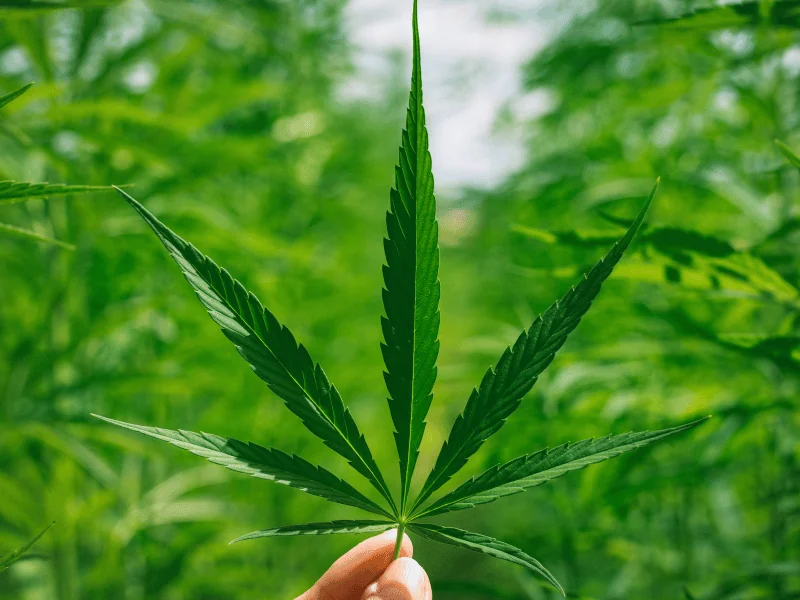
THCA flower comes from the cannabis plant in its raw form. THCA, short for tetrahydrocannabinolic acid, naturally occurs in cannabis before it decarboxylates into THC through heat. Unlike THC, THCA is non-psychoactive, meaning it does not produce the “high” commonly associated with cannabis consumption.
Many enthusiasts value THCA flower for its potential wellness benefits. It’s believed to possess anti-inflammatory, neuroprotective, and anti-emetic properties. These potential benefits make it attractive for those seeking natural alternatives for health and well-being.
Federal vs. State Laws on Cannabis and Its Derivatives
Cannabis remains classified as a Schedule I substance at the federal level. However, hemp — defined as cannabis with less than 0.3% Delta-9 THC — was legalized federally through the 2018 Farm Bill. This distinction creates a patchwork of regulations where federal and state laws can conflict.
States have their own cannabis regulations, which can be more permissive or restrictive than federal law. This creates a complex legal environment where the legality of THCA flower depends heavily on your location.
The 2018 Farm Bill and Its Impact on Hemp-Derived Products
The 2018 Farm Bill was a landmark piece of legislation for the hemp industry. It legalized the cultivation, production, and sale of hemp and hemp-derived products, provided they contain less than 0.3% Delta-9 THC on a dry weight basis.
However, the Farm Bill did not explicitly address THCA. Since THCA is non-psychoactive in its raw form but converts to THC when heated, its legal status falls into a gray area that different states interpret differently.
The Legal Nuances of THCA vs. THC
The Chemical Distinction and Legal Implications
THCA and THC are chemically distinct. THCA is the acidic precursor to THC, found naturally in raw cannabis. The key legal question is whether regulations should focus on the raw plant material (which contains THCA, not THC) or the potential for conversion to THC through decarboxylation.
This distinction matters because hemp-derived THCA flower may comply with the 0.3% Delta-9 THC threshold in its raw form while having a much higher “total THC” potential if the THCA were fully converted.
DEA’s Stance on THCA and Current Federal Position
The DEA’s position on hemp-derived cannabinoids has evolved over time. While the 2018 Farm Bill clearly legalized hemp, enforcement agencies have sometimes taken a stricter view on cannabinoids that can convert to controlled substances. Consumers should stay informed about any guidance or rule changes from federal agencies.
State-by-State Analysis of THCA Flower Legality
States Where THCA Flower Is Legal
Several states have embraced cannabis reform and generally allow THCA flower. States with progressive cannabis laws — such as California, Oregon, Vermont, Maine, and Nevada — typically permit the sale and possession of THCA flower, especially when derived from hemp that meets federal THC limits.
These states often have established regulatory frameworks for hemp products, making it easier for consumers to find lab-tested, compliant THCA flower from reputable retailers.
States with Ambiguous or Restrictive THCA Laws
Some states have taken a more cautious approach. States like Florida, Kansas, Indiana, and Mississippi may have unclear or restrictive policies regarding THCA flower. In these regions, the legal status can depend on how state law defines “THC” and whether that definition includes THCA or only Delta-9 THC.
Consumers in these states should exercise particular caution and stay up-to-date with local regulations before purchasing THCA flower.
How to Buy THCA Flower Legally
Understanding Lab Testing and Certification
When purchasing THCA flower, always look for products with third-party lab testing results (COAs). These certificates verify the cannabinoid content, confirm Delta-9 THC is below the legal limit, and check for contaminants like pesticides and heavy metals.
Navigating Retail and Online Purchases
Whether shopping locally or online, verify that your retailer operates transparently. Look for:
- Third-party lab results readily available
- Clear product labeling with cannabinoid percentages
- Positive customer reviews
- Compliance statements regarding hemp-derived products
Reputable brands like Alive & Well provide full lab reports for every product, ensuring you can verify quality and legal compliance before purchasing.
The Future of THCA Flower Laws and Advocacy
The legal landscape for THCA flower continues to evolve. Advocacy groups are pushing for clearer regulations, standardized testing, and broader access to hemp-derived products. As public understanding grows and more research becomes available, we may see more consistent regulations across states.
Staying informed about legal changes, supporting advocacy efforts, and purchasing from compliant brands are the best ways to navigate this evolving space responsibly.
FAQs on THCA Flower Legality
Is THCA Flower Legal in the U.S.? It depends on your state. Federally, hemp-derived products with less than 0.3% Delta-9 THC are legal under the 2018 Farm Bill, but state laws vary.
Can I Travel with THCA Flower Between States? This is risky. Different states have different cannabis laws, and what’s legal in one state may not be in another. Always research your destination’s laws before traveling with any cannabis product.
Will THCA Flower Cause a Positive Drug Test? Potentially, yes. THCA can convert to THC during testing or metabolism, which may trigger a positive result on standard drug tests.
How Can I Stay Informed About THCA Flower Legality? Follow reputable cannabis news sources, consult legal advisors familiar with cannabis law, and check your state’s hemp program website for the latest regulations.